Getting a Dental Implant: Is It Right For You?

Marks Dill • December 31, 2025

This short guide explains what getting a dental implant means and who it helps. If you are missing a tooth or tired of loose dentures, this overview will explain the parts, the process, who qualifies, risks, costs, and how to pick a provider. By the end you’ll have practical next steps to discuss at a consultation.

What is a dental implant?

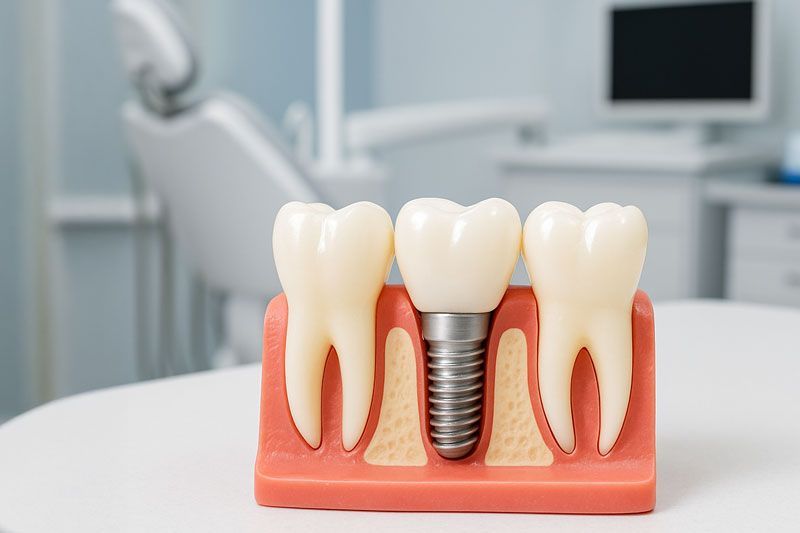
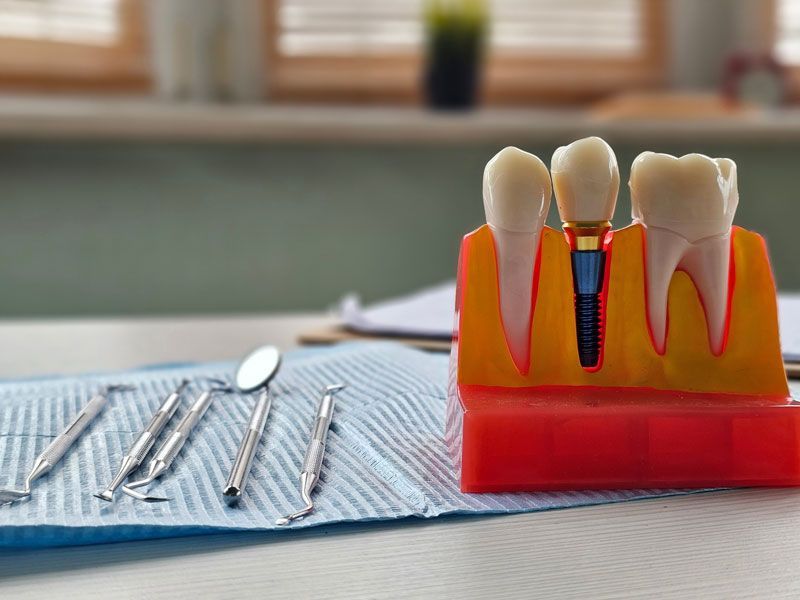
A dental implant is a replacement tooth anchored to the jaw with a titanium post. The three main parts are the dental implant (the metal post), the abutment (the connector), and the tooth crown (the visible tooth). Unlike a dental bridge, dental implants don’t rely on neighboring teeth. Unlike removable dentures, they stay fixed and act like natural teeth for chewing and speaking.

Who is a good candidate for getting a dental implant?

Oral health and jawbone

Good candidates have healthy gums and enough jawbone density to hold the dental implant. If bone is low, a bone graft often rebuilds the site so a dental implant can be placed later.

General health and medical conditions

Certain medical issues affect healing, such as uncontrolled diabetes or immune system problems. Your dentist and medical provider should review your health; sometimes medical clearance is needed before surgery.

Age, habits, and lifestyle

Adults of most ages can get dental implants. Smoking, heavy drinking, and teeth grinding can raise the chance of failure. A strong commitment to daily oral care and regular dental visits helps dental implants last.

What to expect when getting a dental implant

Initial consult and imaging

The dentist will review your mouth, take digital scans or x-rays, and plan dental implant placement. They will discuss options, timelines, and whether grafting is needed.

Surgery and healing phases

Surgery places the dental implant into the jaw. Healing (osseointegration) takes several months while the bone bonds to the dental implant. You’ll have follow-up visits to check progress and manage any discomfort.

Final restoration

After healing, the abutment and tooth crown are attached. The final tooth should match your bite and look, letting you eat and speak normally.

Benefits, risks, and recovery

Benefits include improved stability, better chewing, and a natural look. Realistic risks are infection, dental implant failure, or nerve irritation. Recovery usually involves a few days of soreness and weeks to months for full healing. Pain is often managed with over-the-counter or prescribed medicine.

Cost factors and paying for getting a dental implant

Costs depend on the number of dental implants, need for grafts, type of tooth crown, and the provider’s experience. Many insurance plans cover only part of the cost. Common payment options include dental financing, payment plans, or medical credit programs.

How to choose the right provider

Pick a provider with dental implant training and good reviews. Ask to see before-and-after photos and inquire about experience with your specific case. Confirm warranty details and how complications are handled. A clear treatment plan and honest timeline are good signs.

Quick decision checklist

  • Healthy gums or plan for grafting
  • Medical conditions cleared with your doctor
  • Habits addressed (quit smoking, manage grinding)
  • Questions ready for the dentist about timeline and costs — remember, a dental implant treatment is a multi-step process

Improve Your Smile With Dental Implants

Schedule a consultation to discuss whether a dental implant is right for you. Bring a list of medications, recent dental x-rays (if available), medical history, and questions about getting a dental implant, costs, and follow-up care. A short visit can clarify your options and the next steps.


By Marks Dill December 31, 2025
If you’re asking “ how safe is tooth implant ” surgery?” the short answer is: very safe for most people. Dental implants have high success rates, and most patients heal without major problems. This post explains typical outcomes, possible complications, who is a better candidate, how dentists reduce risk, what recovery looks like, questions to ask, and next steps you can take. Quick safety snapshot and success rates Dental implants succeed in roughly 90–98% of cases, depending on the study and where the implant is placed. “Success” means the implant stays stable, you can chew comfortably, and you have no ongoing pain or infection. Short-term safety covers surgery and the first few weeks; long-term safety looks at bone integration and function over years. Most people do well, but individual health, bone quality, and surgical technique affect outcomes. If you wonder “how safe is tooth implant” for your situation, those personal factors matter most.  Infection at the implant site Signs include redness, swelling, increased pain, or pus. Early infections are usually treated with antibiotics, cleaning, and close follow-up. If infection is severe or not controlled, it can threaten the implant and require removal. Nerve injury and numbness Nearby nerves can be irritated or injured during surgery. Symptoms are numbness, tingling, or altered sensation in the lip, chin, or tongue. Many cases improve over weeks to months, but rare cases can be long-lasting. Careful planning lowers this risk. Sinus problems (upper jaw) Implants placed in the upper back jaw can puncture the sinus if not planned well. Small perforations often heal or are fixed with a sinus lift or graft. Major issues are uncommon with good imaging and technique. Implant failure and loosening Failure can happen early (during healing) or late (after months or years). Causes include poor bone quality, smoking, uncontrolled medical issues, or infection. Late failures can also be due to excessive bite forces or poor oral hygiene. Who is a safer candidate? Well-controlled diabetes and stable chronic conditions typically allow safe implant surgery. Immune disorders, recent cancer treatments, or certain osteoporosis medications (bisphosphonates) increase risk and need a specialist’s input. Lifestyle and habits Smoking, heavy alcohol use, and poor oral hygiene raise the chance of complications and implant failure. Quitting smoking before and after surgery improves outcomes. Bone quality and prior dental issues Enough healthy jawbone is needed for stable implants. If bone volume or density is low, your dentist may recommend bone grafting or alternative approaches. Treating gum disease before surgery is essential. How dentists reduce risks CBCT 3D scans and careful planning let the team place implants away from nerves and into the best bone. Planning reduces surprises and lowers complication rates. Sterile technique and proper implants Using sterile fields, trained surgical teams, and proven implant systems reduces infection and mechanical problems. Experience matters: skilled surgeons follow protocols that keep patients safe. Antibiotics, meds, and follow-up care Antibiotics are used selectively to lower infection risk. Pain control and anti-inflammatories help recovery. Early follow-up visits let the team spot and treat problems before they worsen. Recovery: what to expect and warning signs Expect swelling and mild pain for 2–7 days, and soft-tissue healing in 1–2 weeks. Bone integration (osseointegration) takes several months before full loading. Normal symptoms include slight bruising and temporary sensitivity. Contact your dentist right away for severe pain, high fever, growing swelling, persistent numbness, bleeding that won’t stop, or any pus or bad taste. Questions to ask before surgery How many implant surgeries have you done and what is your success rate? Will you use CBCT or other 3D imaging for planning? What sedation or pain control options are available? What is the expected timeline from surgery to final crown? What are the backup plans if a complication occurs? Who pays for additional care if a complication happens? Choosing the right provider Look for training in implant dentistry, clear before-and-after cases, patient reviews, and open communication about risks. A provider who explains how they reduce risk and answers your “how safe is tooth implant” questions clearly is usually a good choice. Keep clinic promotion light—your goal is safety, not sales. When to seek urgent care after implant surgery Heavy bleeding that won’t stop High fever or chills Sudden, rapidly increasing swelling Spreading numbness or loss of function Visible implant exposure or pus Conclusion and next steps Most tooth implants are safe when placed after careful planning and by an experienced team. If you’re worried about “how safe is tooth implant” for you, schedule a consultation to review your health, imaging, and personalized risks. Bring the questions above to your appointment so you leave with a clear plan and peace of mind.
By Marks Dill December 31, 2025
New Title
December 31, 2025
The body content of your post goes here. To edit this text, click on it and delete this default text and start typing your own or paste your own from a different source.
By Marks Dill September 8, 2025
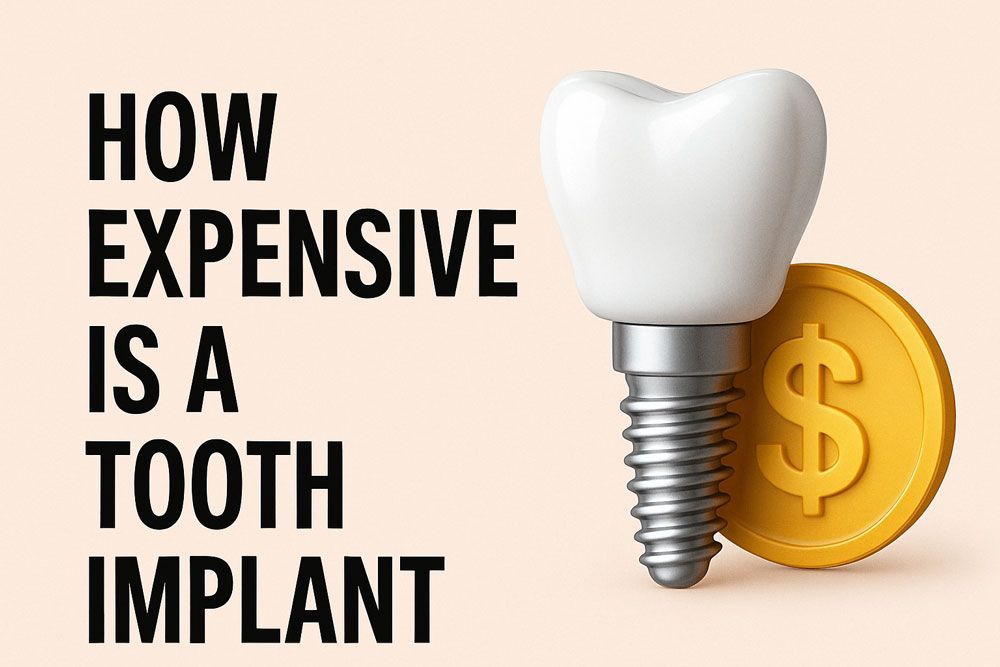
Worried about the cost of dental implants? Discover factors affecting the price & get a better understanding of how expensive a tooth implant is.
September 8, 2025
Contact The Implant Place for expert dental implant care! Schedule your consultation today.
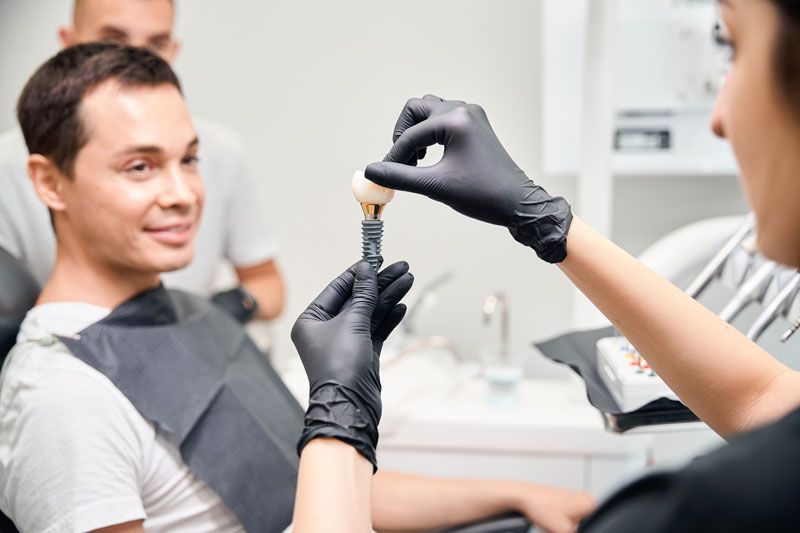
Aesthetic stomatology client watching at process of dental implant installation.
By Marks Dill July 1, 2025
Discover the lasting benefits of dental implants. Our dental implant reviews guide your journey to a durable, stunning smile that elevates your life.
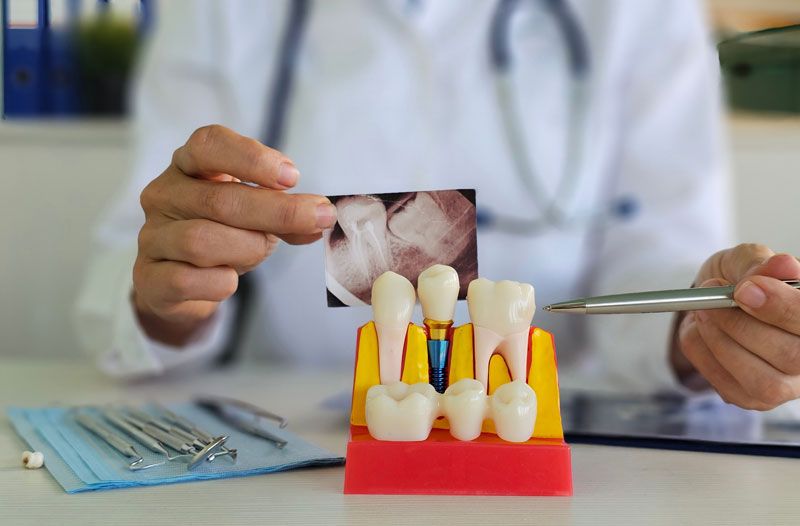
Dental professional examines tooth model and X-ray to assess patient condition and treatment options
By Progressive Dental July 1, 2025
Learn about dental implant replacement—when it's needed, the process, and maintaining oral health for a durable and attractive smile.
Dental implant model on a dental office counter, dental office
By Marks Dill May 22, 2025
Discover how dental implants in the United States offer a durable, comfortable, and natural-looking solution for missing teeth to restore your smile today.
Women holding an implant model with both her hands, dental office
By Marks Dill May 22, 2025
Master post dental implant care to ensure optimal healing, prevent complications, and maintain a lasting, healthy smile with clear, expert guidance.
By Progressive Dental May 6, 2025
The body content of your post goes here. To edit this text, click on it and delete this default text and start typing your own or paste your own from a different source.